
MVP Development in Switzerland
What MVP development in Switzerland actually covers
People searching for MVP development in Switzerland often land on pricing first. Budget matters, and it belongs in MVP cost in Switzerland. This article is the other question: what usually happens in an MVP build, in what order, which deliverables are realistic, and how long to plan when the result has to be measurable.
If “MVP” is still a loose word, read what an MVP is and how to validate a startup idea before you book engineering weeks. A Zurich studio and a remote shop can both build software. The useful difference at the start is whether the weeks are tied to a decision.
For a compressed version of the phases below, see how we validate MVPs in 12 weeks or the MVP validation in Zurich page (Product Validation Package) for the engagement shape and deliverables.
Typical phases
Serious engagements rarely start as pure coding on day one. Names vary. The substance is usually this sequence.
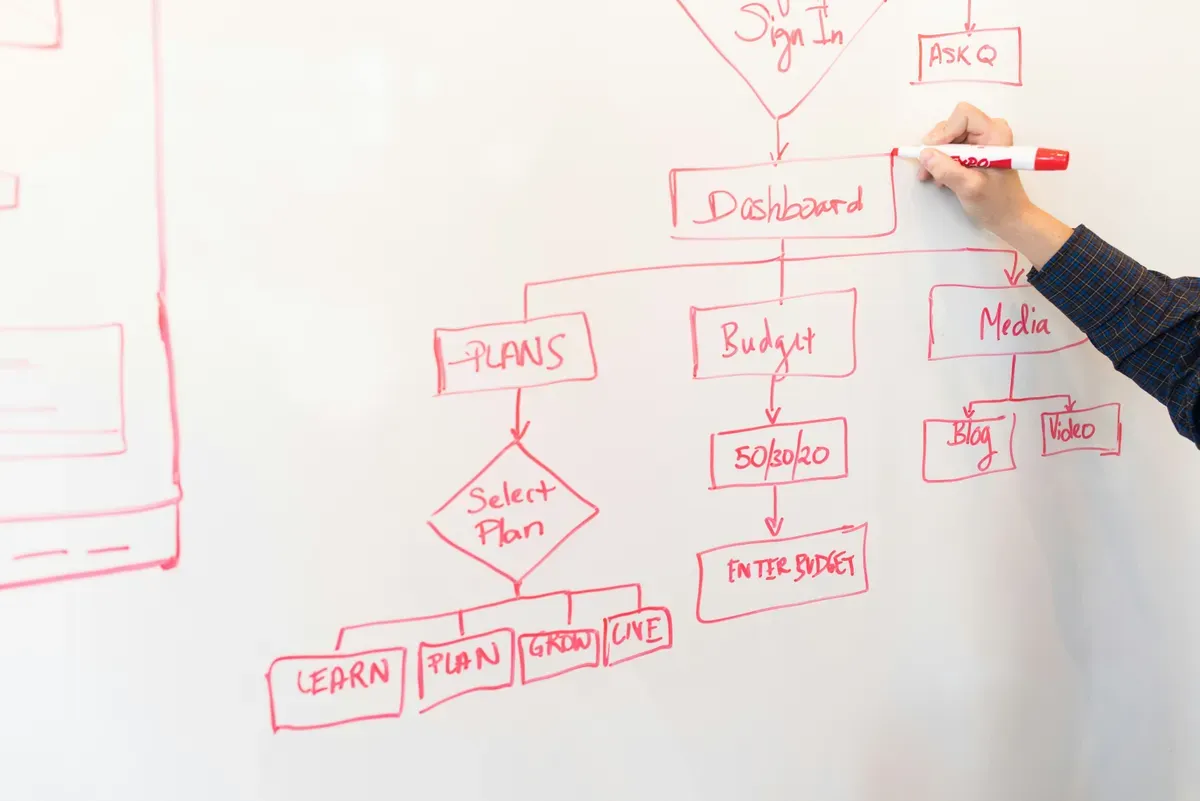
1. Discovery and scope. Problem, users, success criteria, technical constraints, risks. You should leave with a ranked backlog, an architecture direction, and often a clickable prototype or wireframes. If the hypothesis is still fuzzy, do not spend the build budget to find it. Use the validation reading above, then come back with one decision the software must answer.
2. Product and UX. User flows, a small interface set, empty states, and error states. The output is something engineering can ship. A slide is not that output. In practice this is where Swiss buyers feel the product: the screen when a payment fails, the screen when a field is empty, the language of the first screen.
3. Engineering. Backend, frontend, data model, authentication, payments if the decision needs them, logging, and a deploy pipeline. The output is software you can deploy again, watch, and roll back. A build that only runs on a developer laptop is an earlier artefact. You do not need every enterprise control on day one.
4. Launch and a first measurement week. Monitoring, a light admin path, a way for users to tell you what broke. The output is a signal from real use. If the system failed silently, you do not have a signal, you have a guess.
5. First iteration. Priority from what you measured. The backlog moves because of users, not because a new idea arrived in a chat.
Skip a phase and you usually pay for it in the next one. Coding without a success criterion produces a demo. A launch without logging produces a story. Design that never includes the failure screen produces support mail you could have prevented.
What Swiss setups often put in scope earlier
Swiss and Switzerland-based teams often plan these earlier than a generic US playbook:
- Privacy and hosting. Expectations under the Data Protection Act, a storage location you can name (commonly Switzerland or the EU), processor terms, and some record of who can access production. This is not legal advice. It is why a “small MVP” sometimes carries more setup than the same feature list built elsewhere.
- Languages and payments. German, French, or Italian depending on the buyer. Local payment and invoicing habits if you charge consumers or domestic companies. Shipping three languages badly is a common way to miss the time bands below. One language, done, is usually the MVP.
- The quality bar once someone pays. Stability and a human who answers when it breaks. That changes testing and infrastructure as well as the feature list.
Worked example. A well-bounded web MVP: sign-in, one job the user came to do, one simple admin view, payment only if the decision requires money. Few outside systems. An existing visual style you are allowed to reuse. That is the short band in the next section.
The same idea with an iOS review, two languages, and a bank or insurer integration is a different project. The feature sentence can still sound small. The waiting time is in other companies’ queues, and the scope is in the failure cases those integrations add.
Realistic timelines
Every product breaks these bands. They are corridors for planning, not a promise.
- A tight web MVP, after discovery, with a design system you can use and few integrations: often 8 to 14 weeks of production-oriented work.
- Several user roles, payments, light compliance work, or a mobile store: more often 14 to 24 weeks or more, depending on third-party review and integrations.
If someone promises “live in four weeks”, ask what goes live. A clickable demo on a laptop is one answer. An operable service, with accounts, backups, and a way to see errors, is another. The bands above are for the second. A 12-week structured programme, as in how we validate MVPs in 12 weeks, sits in the tight-web corridor when the boundaries hold. It does not shrink a bank integration into a month.
Add time, do not “try harder”, when you discover a second language, a second platform, or a vendor who takes weeks to approve a sandbox. Those are scope. Cutting the core path to pretend the date still holds is how the decision you needed becomes unmeasurable.
Deliverables to pin in writing
- Repository access, the build pipeline, and code ownership with a licence you can show a later developer.
- Staging and production, backups, and a short note on what you do when the service fails.
- Acceptance criteria for each large slice, and the name of who runs user tests.
- Who sets priority after launch, and how a backlog change is priced.
Partner-model tradeoffs, including accountability and equity, are in venture studio vs agency. The deliverables above should appear in any of those models. The model does not replace them.
Where the price question goes
Once the phases and the deliverables are written down, quotes can be compared. Until then, a low number is usually a thinner list, not a better deal. Use MVP cost in Switzerland for that step.
If the engagement is broader than one MVP (ongoing product work, or a one-off migration), read startup software development in Switzerland. Label the type before you ask for a build price.
What to do next
If you are ready to scope a first release in Zurich against a decision you can name, start with MVP validation. If you are not ready, the cheaper step is to tighten the idea with what an MVP is and how to validate a startup idea, then come back to phases and weeks.
How long does MVP development in Switzerland take?
After discovery, a tight web MVP with few integrations is often 8 to 14 weeks of production-oriented work. Several roles, payments, a mobile store, or heavy integrations are more often 14 to 24 weeks or longer. A four-week promise needs a definition: demo on a laptop, or a service you can run, back up, and observe. These are planning corridors, not a quote.
Written by
Aurum Avis Labs
Builds and ships at Aurum Avis Labs. Writes here about what we learn working with founders and SMEs in the DACH region.
Related Articles
You might also be interested in these articles

How Much Does MVP Development Cost in Switzerland?
CHF 5k or 500k+? Swiss MVP pricing depends on scope, partner type, and production bar. How to compare quotes without apples-to-oranges.
Venture Studio vs Agency vs. Accelerator: What Founders Actually Need
Agency ships scope, accelerators bring network, studios bring product judgment, with equity tradeoffs. Which model fits which stage, without the buzzwords.
How We Validate MVPs in 12 Weeks
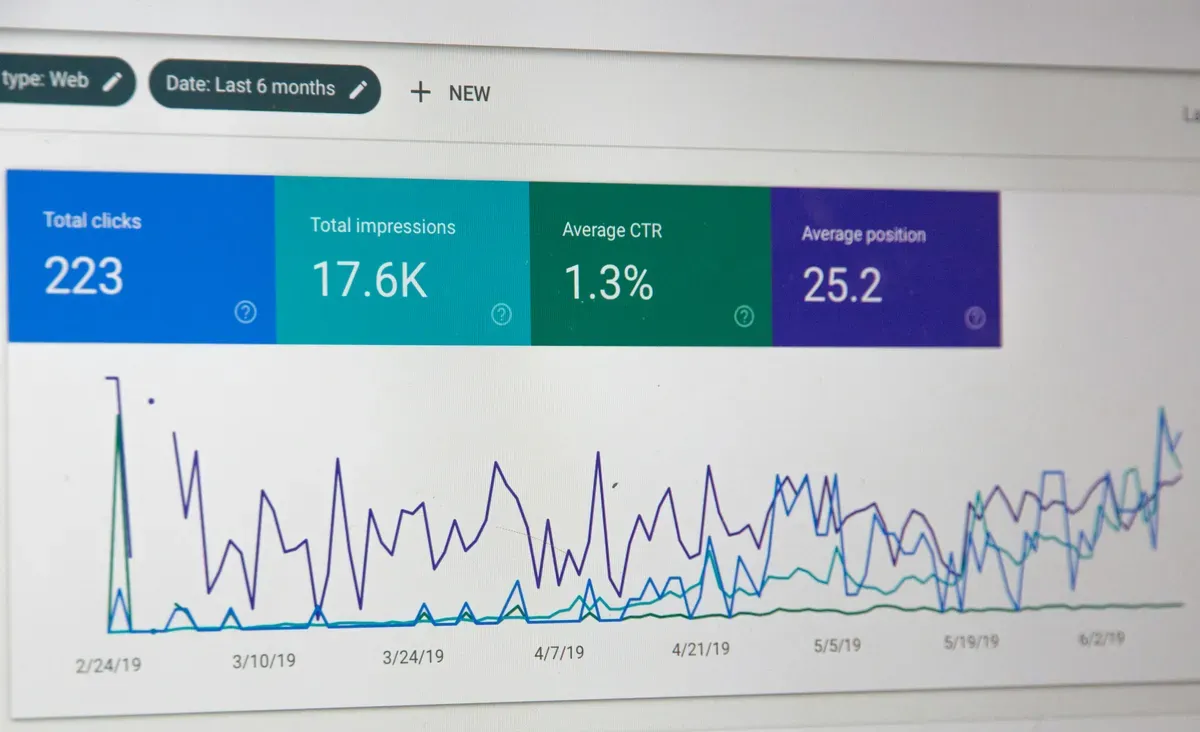
Twelve weeks, four phases: build, paid distribution, data-led iteration, documented recommendation grounded in evidence. How our Product Validation Package runs end to end.